
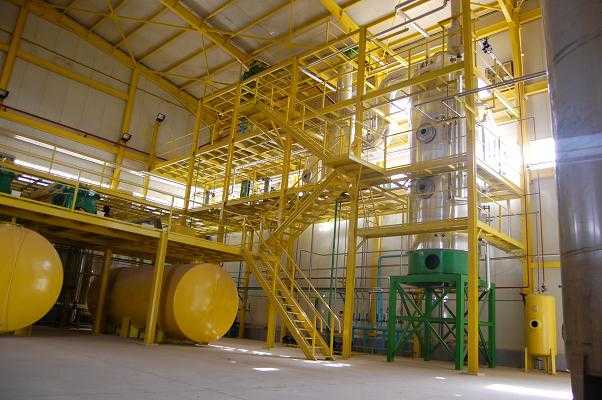
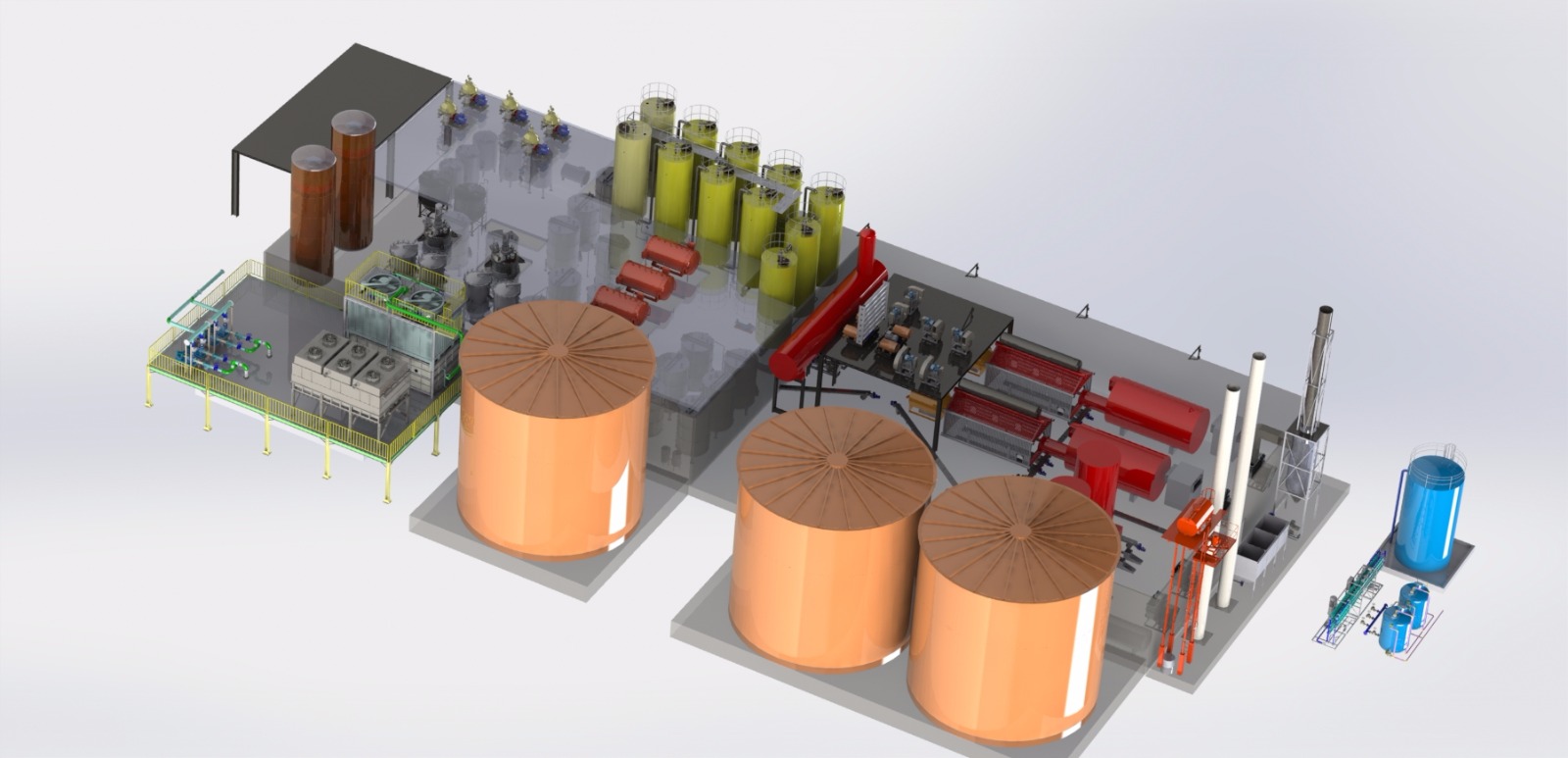
NEO MAKİNA ve MÜHENDİSLİK A.Ş. builds turnkey vegetable oil and sunflower integrated plants from seed reception to refined, winterised edible oil. Comprising preparation and pressing, solvent extraction, refining and dewaxing sections, the plant scales from 10 t/day cold-press lines to integrated factories above 1,000 t/day and processes sunflower, rapeseed, soybean, cottonseed and corn germ.
Plant Sections
1. Preparation and Pressing
Foreign matter is removed, moisture adjusted and 70–80% of the oil recovered mechanically.
- Cleaning: Vibrating screen, aspirator and magnetic separator remove 99% of foreign matter.
- Dehulling: Removing the hull raises meal protein and lowers wax content in the oil.
- Cracking and flaking: 0.3–0.4 mm flakes open cell walls and speed oil release.
- Cooking (conditioning): Steam adjusts temperature and moisture; oil viscosity falls.
- Pre-pressing: High-capacity screw presses reduce cake oil content to 10–18%.
2. Solvent Extraction
Residual oil in the press cake is reduced below 1% with hexane; the section is designed around energy and solvent recovery.
- Extractor: Rotocel or belt continuous extractor; residual oil in meal ≤ 1%.
- DTDC: Desolventiser-toaster-dryer-cooler in one vertical tower; low steam consumption, high-quality meal.
- Miscella evaporation: Multi-stage evaporator and stripper under negative pressure; 30% energy recovery from waste heat.
- Solvent recovery: 99% recovery via condensation and mineral-oil absorption; ATEX-compliant design.
3. Refining
- Degumming: Precipitation of phospholipids with water and acid.
- Neutralisation: Removal of free fatty acids (FFA) with caustic; physical refining option.
- Bleaching: Removal of pigments and oxidation products with activated bleaching earth.
- Deodorisation: Removal of volatile odour compounds at 240–260 °C under high vacuum; citric acid dosing for metal chelation and longer shelf life.
4. Winterisation (Dewaxing)
- Crystallisation and maturation: Wax crystals formed and grown along a controlled cooling curve.
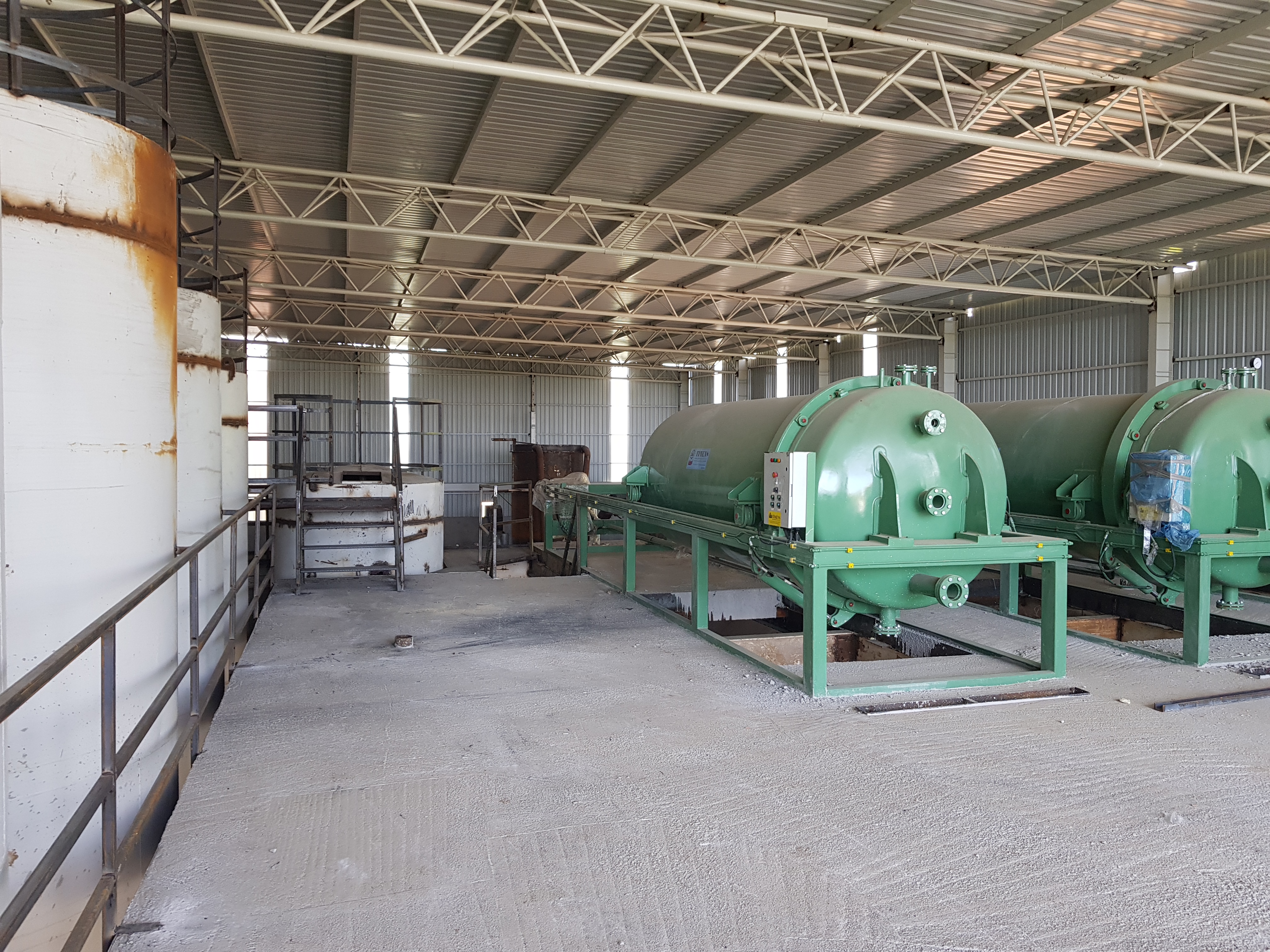
- Filtration: Wax separated on horizontal pressure or membrane filters.
- Result: Sunflower oil that stays clear in the 0 °C / 24 h cold test.
Typical Application Range
- Capacity: 10 – 1,000+ t/day seed processing (modular expansion)
- Seeds: sunflower, rapeseed/canola, soybean, cottonseed, corn germ, safflower
- Products: crude oil, refined edible oil, winterised oil, meal (pellets), hulls (fuel)
- Utilities: steam boiler, hull-fired boiler, water treatment, filling line, tank farm
- Standards: CE, ATEX (extraction), ISO 22000/HACCP compliant layout, Codex edible-oil criteria
Why NEO MAKİNA?
- Maximum oil yield: Pre-press + solvent extraction leaves below 1% oil in the meal.
- Clear product: Automatic crystallisation and filtration solve sunflower oil's cloudiness and sediment problem.
- Energy efficiency: Up to 20% lower steam consumption with DTDC and negative-pressure evaporation; hulls used as boiler fuel.
- Flexible capacity: Staged investment from cold-press line to integrated factory; refining or extraction added to existing plants.
- Single-source delivery: Feasibility, process design, equipment, installation, automation, commissioning and training.
Frequently Asked Questions
Press only, or press + extraction?
Below 100 t/day, pressing alone (8–12% oil in cake) can be economical; above that, solvent extraction cuts oil loss to 1% and pays back quickly. For cold pressing see the related page.
What happens to the hulls?
Sunflower hulls (20–25% of the seed) cover most of the plant's steam demand as boiler fuel or are sold as pellets.
What is the project duration?
Depending on capacity, engineering and manufacturing take 6–10 months, installation and commissioning 3–5 months.
For plant design and a quotation based on seed type and target capacity, contact us.