
NEO MAKİNA ve MÜHENDİSLİK A.Ş. designs and manufactures industrial economiser and recuperator systems that recover waste heat from boiler and furnace flue gas. Economisers transfer flue-gas heat to feed water or process fluid, recuperators to combustion or process air; both cut fuel consumption by 5–15% and pay for themselves quickly.
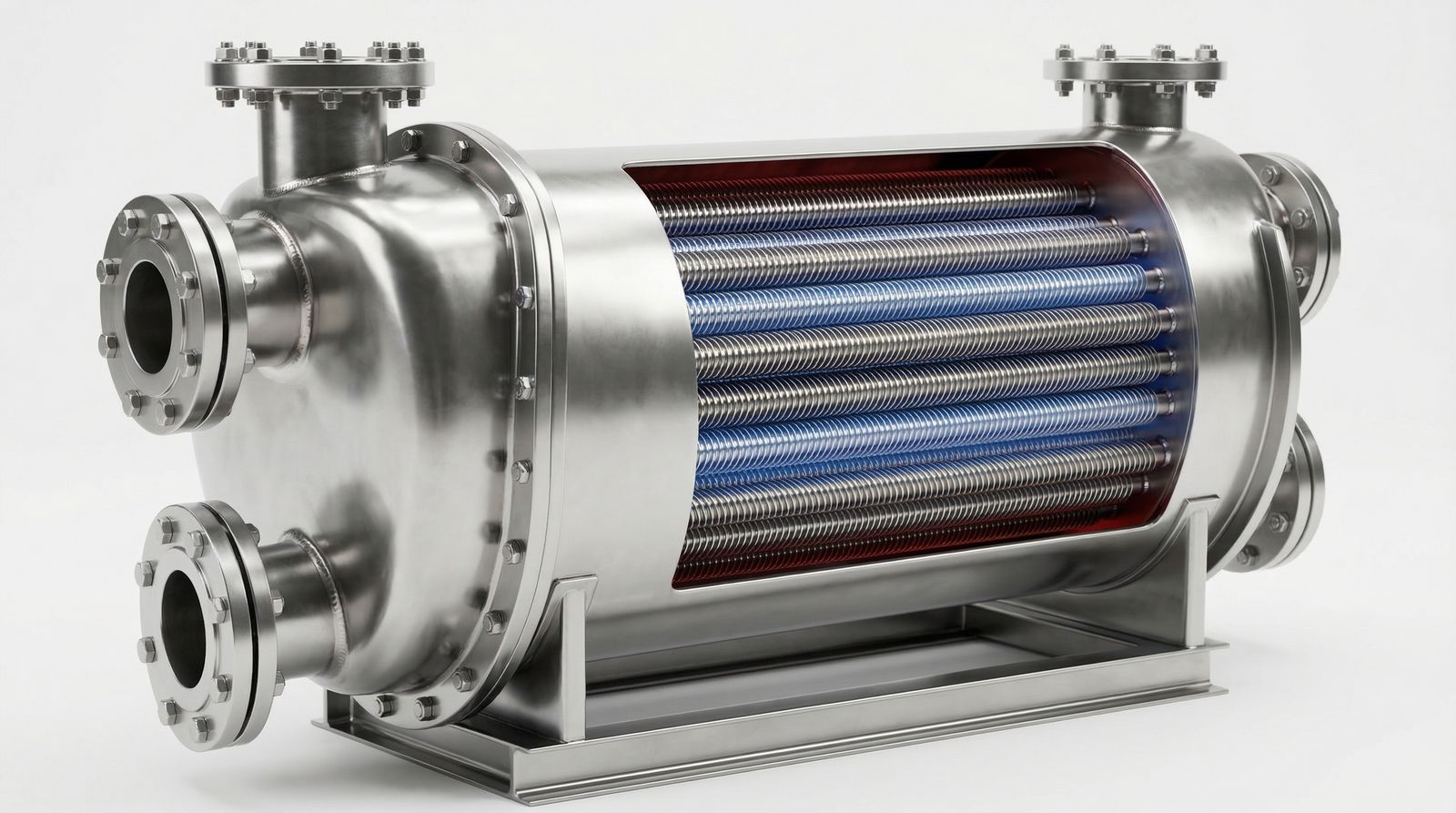
Economiser Systems: Gas-to-Liquid Heat Transfer
An economiser is a gas-to-liquid exchanger that uses the sensible heat of 200–350 °C flue gas at the boiler outlet to preheat feed water, condensate or process water. Every 6 °C rise in feed-water temperature gains roughly 1% boiler efficiency.
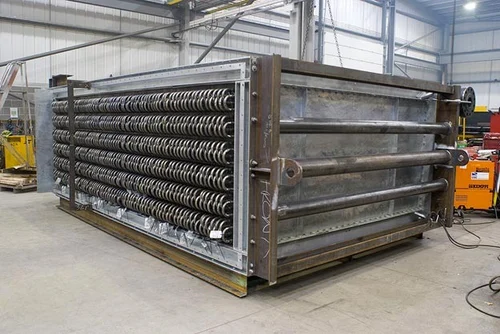
- Finned tubes: Large heat-transfer surface in limited volume; spiral or H-type fins with spacing chosen for dust load.
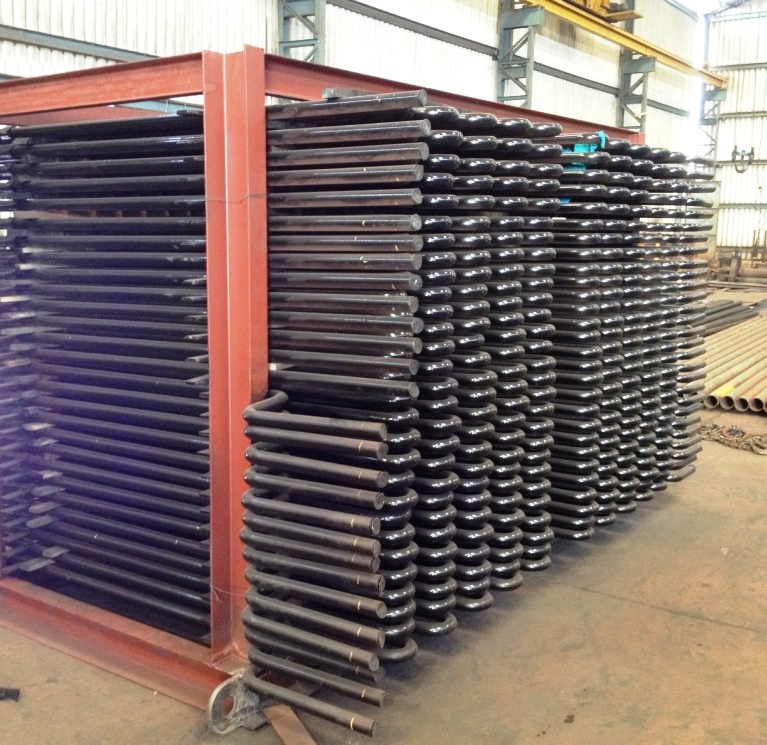
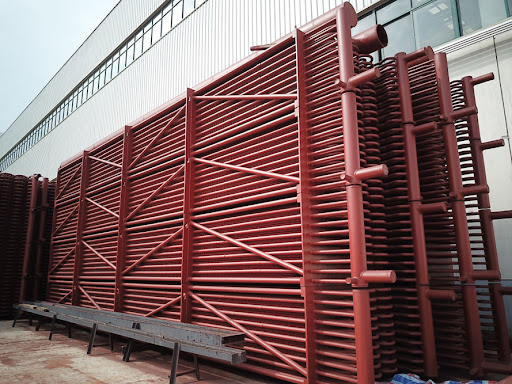
- Construction: Tubular type (high surface, low pressure drop) or compact plate type.
- Materials: Carbon steel (P235GH), corrosion allowance for sulphur-bearing fuels, or AISI 304/316 stainless steel.
- Condensing economiser: On gas-fired systems, flue gas is cooled below dew point to recover latent heat too; up to 10% additional efficiency.
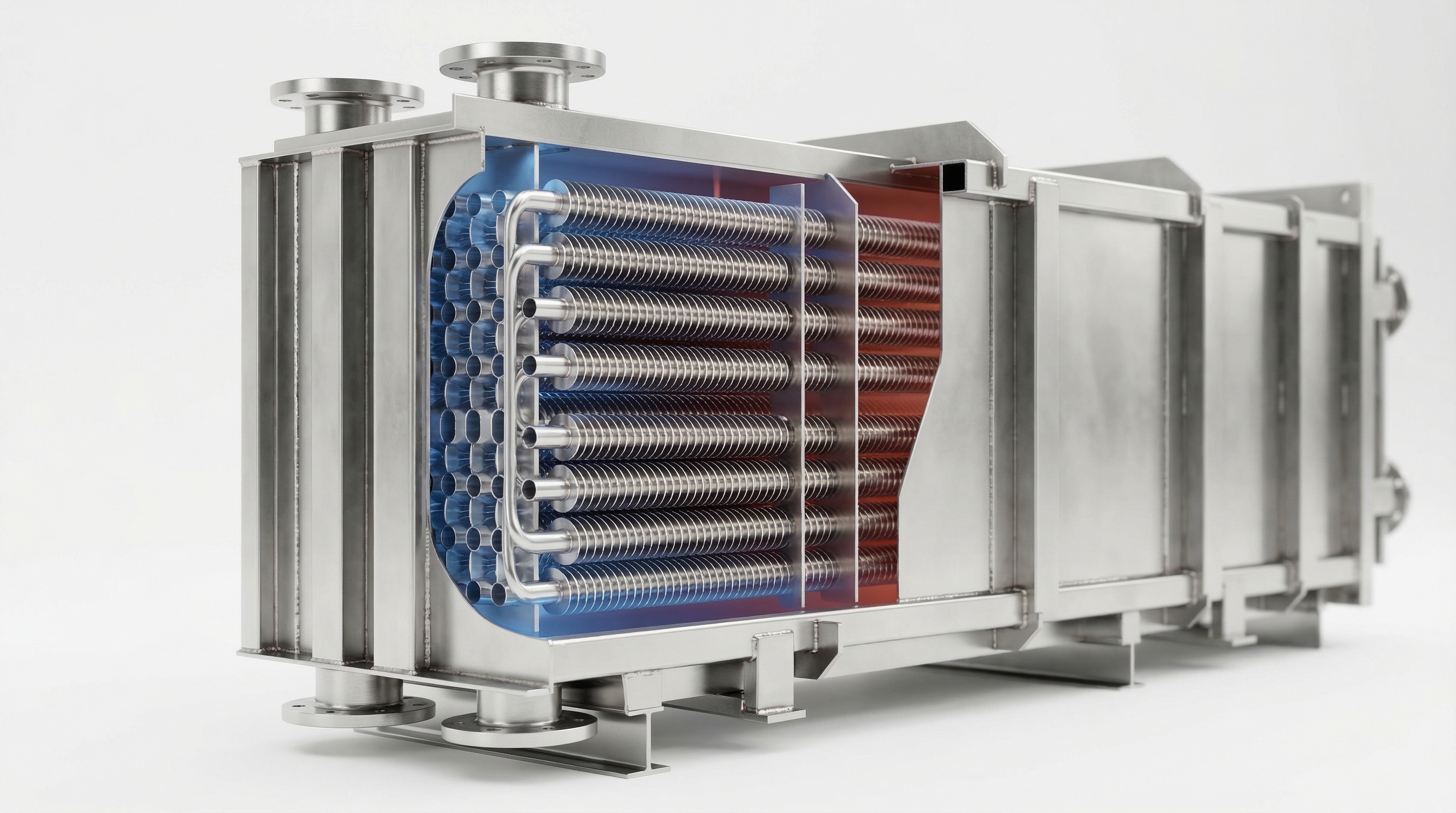
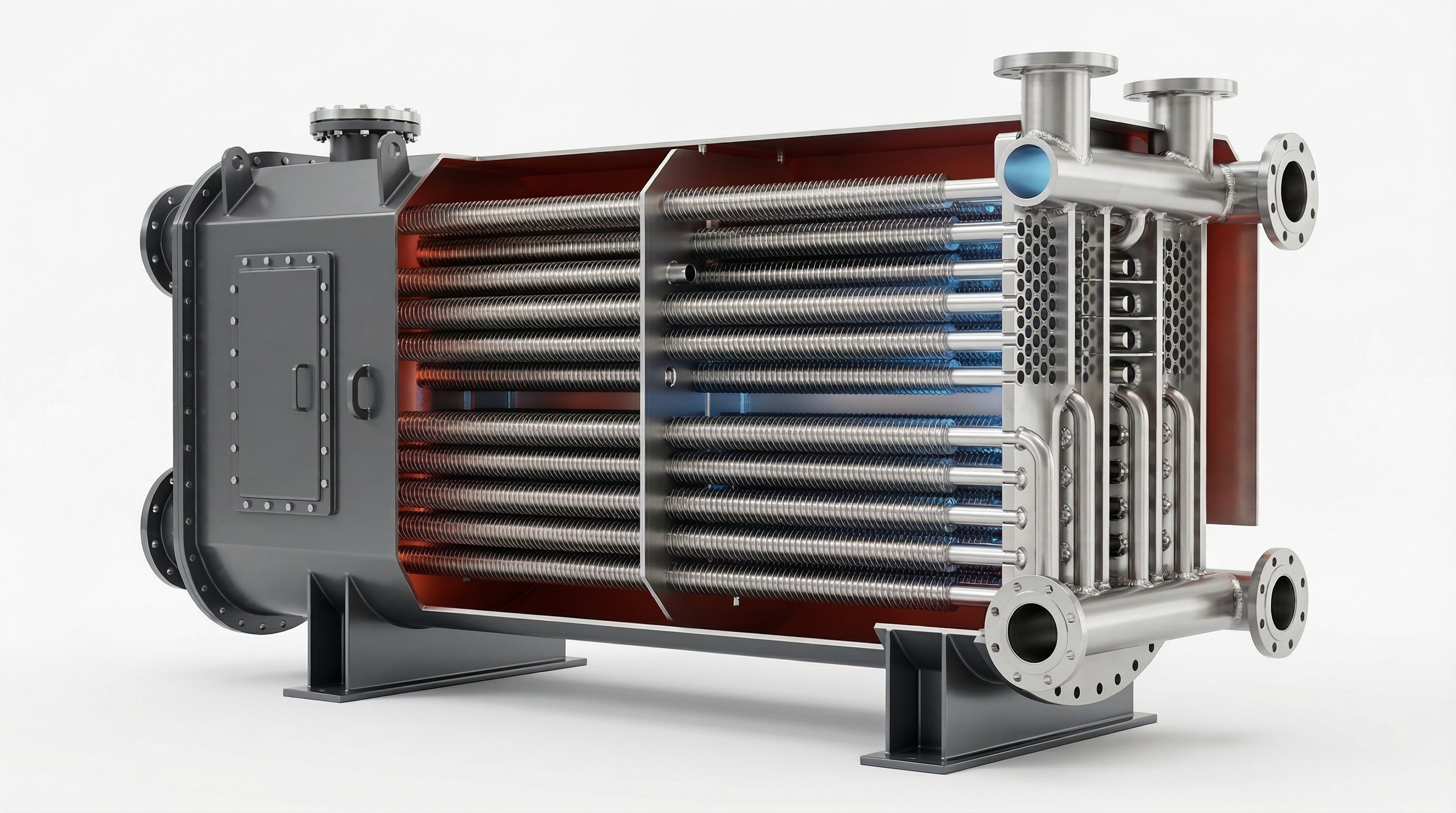
Recuperator Systems: Gas-to-Gas Heat Transfer
A recuperator is a gas-to-gas exchanger that transfers heat from furnace or boiler flue gas to combustion air or process (drying) air. Every 100 °C of combustion-air preheat saves about 5% fuel.
- Types: Tubular (high dust tolerance), plate (compact) or regenerative/rotary (very high temperature and capacity).
- High-temperature materials: Heat-resistant steels (AISI 310, 1.4841) above 600 °C; leak-tight welding and expansion compensators.
- Dew-point control: PLC monitors flue-gas outlet temperature; a bypass damper prevents acid condensation.
- Applications: Annealing and heat-treatment furnaces, glass and ceramic kilns, dryers, thermal oil heaters, genset exhausts.
Typical Application Range
- Flue-gas inlet temperature: 180 – 900 °C
- Recovered heat: 50 kW – 10 MW
- Fuel savings: 4–8% economiser, 10–15% condensing economiser, 5–20% recuperator (depending on preheat temperature)
- Standards: EN 12952/12953 (boiler integration), PED 2014/68/EU, EN 13445; CE
Advantages and Points to Consider
- Advantage: The fastest-payback energy-efficiency investment (typically 1–3 years); direct CO₂ reduction; more stable boiler and furnace operation with preheated fluids.
- Consider: Uncontrolled cooling below the acid dew point causes sulphuric-acid corrosion; material selection and bypass automation are essential. Each unit added to the flue line adds pressure drop; fan capacity and draught are calculated together.
The NEO MAKİNA Difference
Economisers and recuperators are sized by thermal and flow calculation from flue-gas analysis, flow and temperature profile and boiler/furnace draught. Retrofits to existing plant rooms, flue and duct modifications, bypass and automation are delivered turnkey. Process-air preheating integration for drying plants is also within scope.
Frequently Asked Questions
Economiser or recuperator?
Economiser for feed-water preheating on steam and hot-water boilers; recuperator for combustion-air preheating on furnaces, dryers and thermal oil heaters that have no water circuit.
How much saving can I expect?
Cooling flue gas from 250 °C to 130 °C raises boiler efficiency by roughly 5–6%; the exact figure is calculated from fuel type and operating hours.
Can it be added to my existing boiler?
Yes. It is installed between the boiler outlet and the stack or in the existing duct; fan capacity and draught are checked first.
For a heat-recovery calculation based on your flue-gas data and a quotation, contact us.