

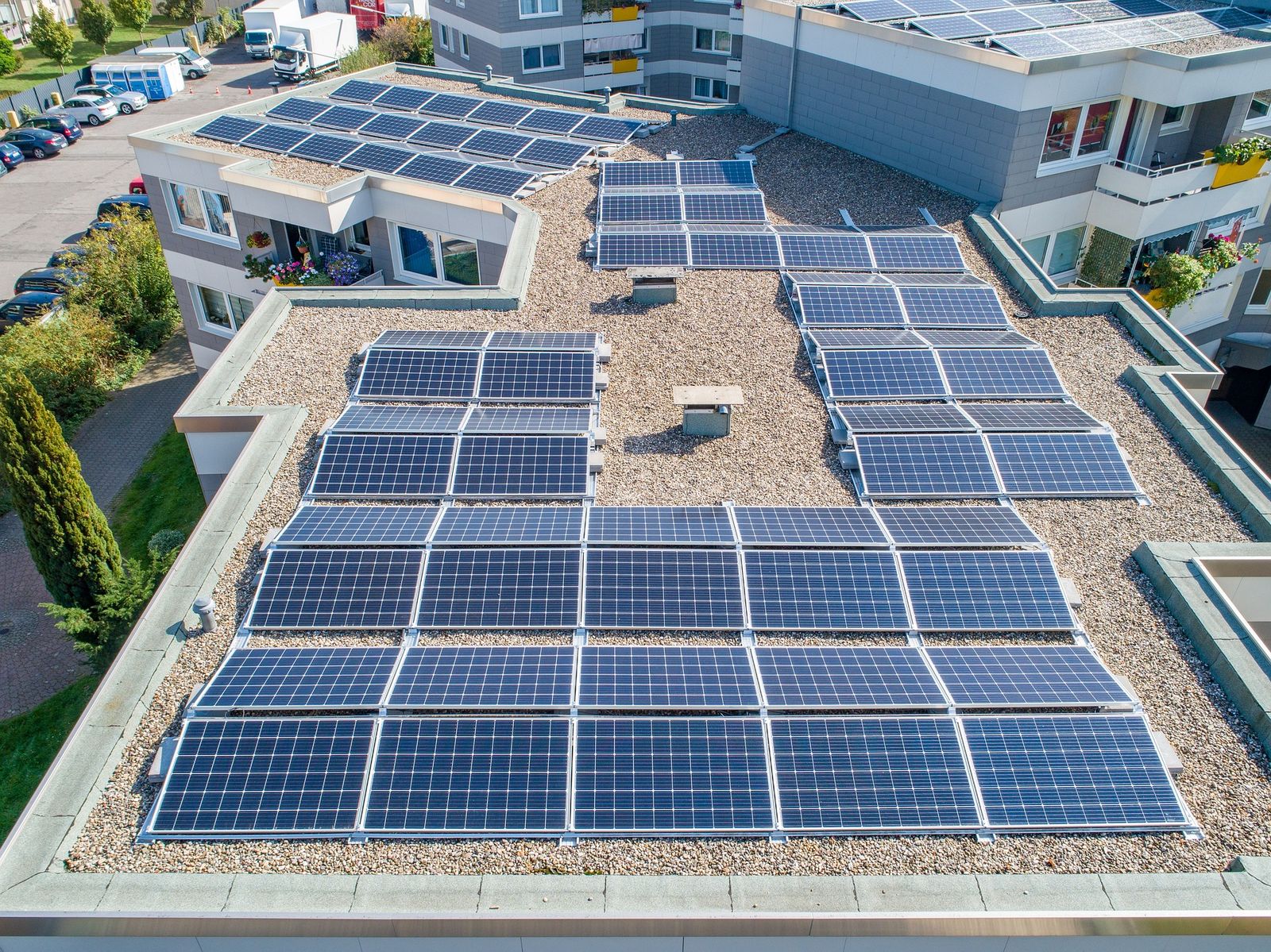
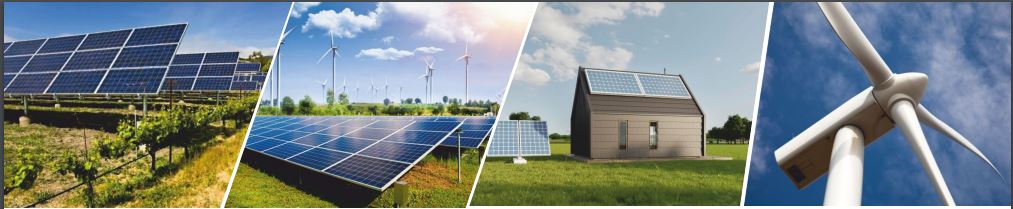
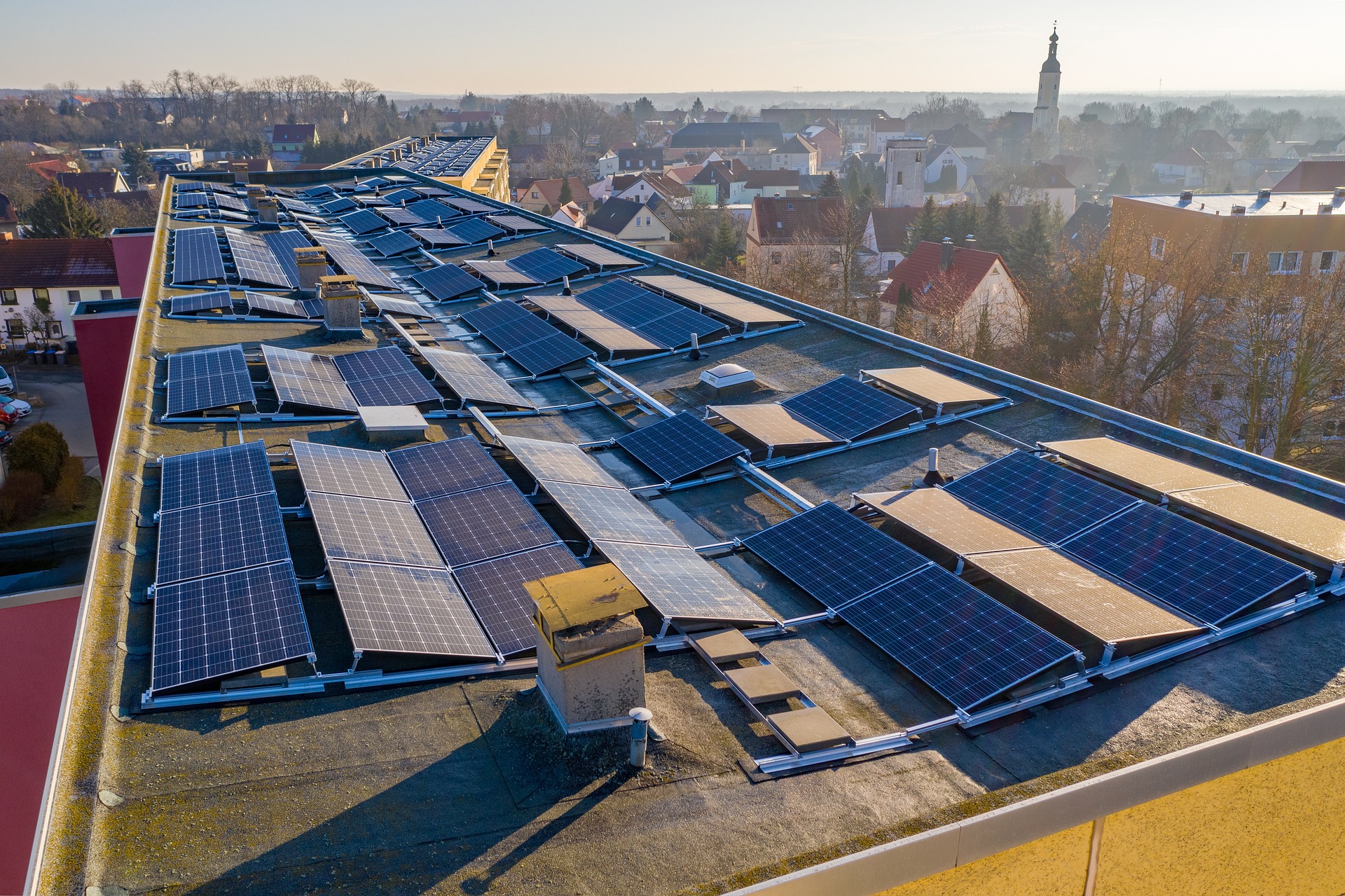
NEO MAKİNA ve MÜHENDİSLİK A.Ş. engineers and delivers turnkey industrial solar PV systems under the EPC (engineering, procurement, construction) model for factory rooftops and ground sites. From self-consumption rooftop plants to unlicensed ground-mounted power plants, panels, inverters, mounting structures, LV/MV electrical infrastructure and grid connection are delivered from a single source.
Why Build an Industrial Solar Plant?
- Electricity cost: Every kWh generated displaces grid power at the industrial tariff; typical payback 3–5 years, system life 25+ years.
- Net metering: Under unlicensed-generation regulations, surplus is exported to the grid and offset monthly.
- Carbon and export: Documented renewable generation for the Carbon Border Adjustment Mechanism (CBAM) and customer sustainability requirements.
Photovoltaic Modules
Monocrystalline PERC / TOPCon Panels
- Efficiency: Module efficiency above 22%; highest installed power on limited roof area.
- Low-irradiance performance: High yield in overcast conditions and early/late hours.
- Durability: PID resistance, 25–30 year linear performance warranty; bifacial option adds 5–15% yield.
Polycrystalline Panels
- Price/performance: Cost-effective solution for large roof and ground areas.
- Use: Warehouse roofs and ground sites without area constraints.
Inverters and Electrical Infrastructure
- String inverters: Distributed architecture, multiple MPPTs and easy service on rooftop plants.
- Central inverters: Low unit cost on MW-scale ground plants.
- Grid compliance: Low harmonic distortion (THD), reactive power control, compliance with utility connection criteria.
- LV/MV infrastructure: DC/AC switchboards, transformer station, MV switchgear, protection-metering and SCADA monitoring.
Mounting Structures and Installation
Rooftop Systems
- Clamp mounting without penetration on standing-seam roofs; leak-proof fixings on sandwich panels.
- Lightweight aluminium-alloy structure; additional load verified by roof structural report (typically 12–15 kg/m²).
- Designed to wind and snow load calculations (EN 1991).
Ground-Mounted Systems
- Rammed piles or concrete footings according to soil survey.
- Hot-dip galvanised steel structure; fixed-tilt or single-axis tracker with 15–20% additional yield.
Typical Application Range
- Installed capacity: 100 kWp – 10 MWp (rooftop and ground)
- Roof area required: approx. 5–6 m² per kWp
- Annual yield: 1,300–1,700 kWh/kWp in Turkish conditions (location-dependent)
- Standards: IEC 61215/61730 (modules), IEC 62109 (inverters), EN 62446 (commissioning tests)
EPC Scope
- Site survey, shading analysis and PVsyst yield simulation.
- Roof structural check, electrical design, grid-connection agreement and permitting management.
- Procurement, installation, commissioning tests and provisional acceptance.
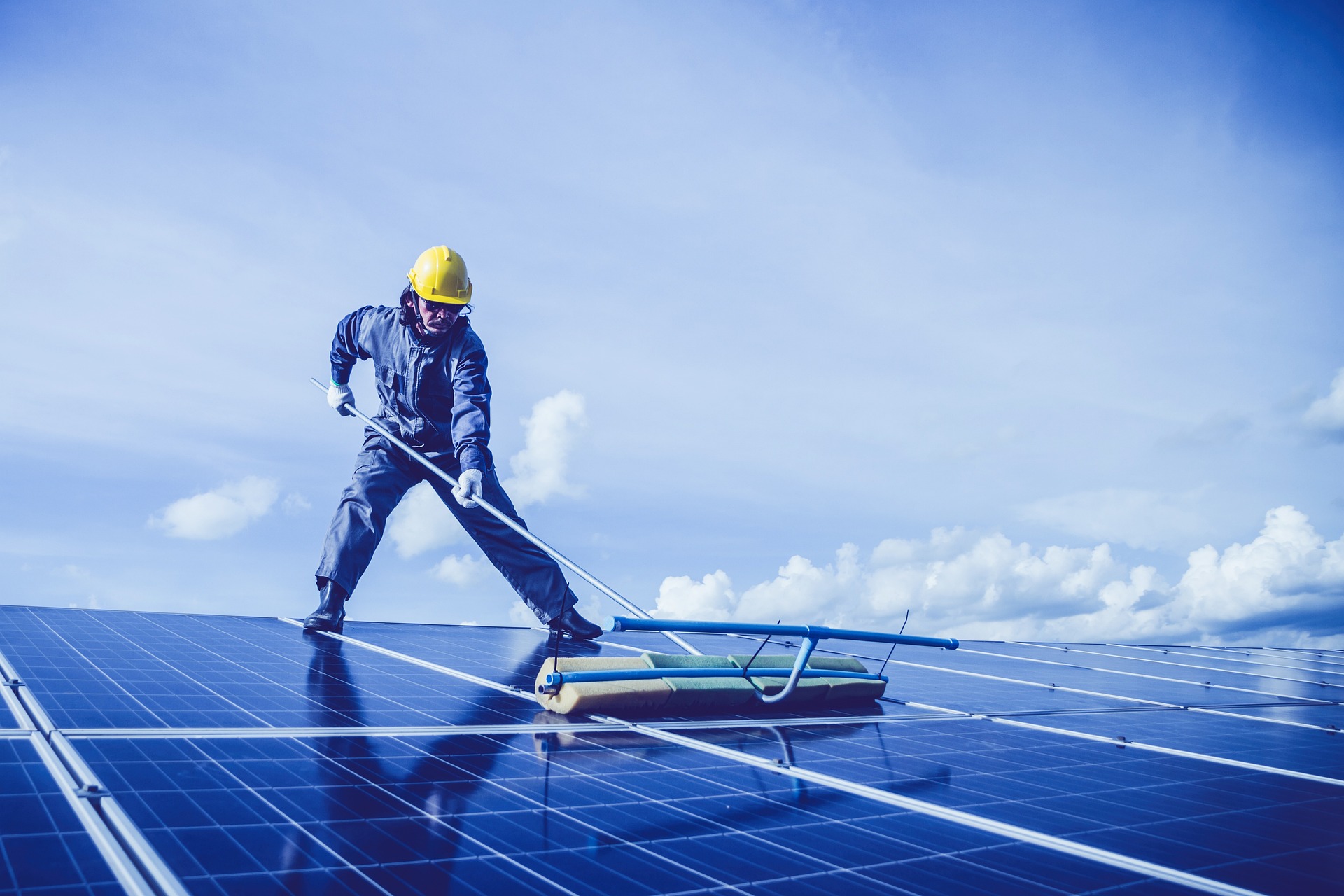
- Monitoring system, periodic maintenance and performance-guarantee options.
Frequently Asked Questions
Is my roof suitable for solar?
South- or east-west-facing, unshaded roofs are suitable. Structural report, roof-covering condition and transformer capacity are assessed at the first site visit.
How long does installation take?
For a 1 MWp rooftop plant, installation and commissioning take 6–10 weeks excluding connection permits; permitting takes 2–4 months depending on region.
Can battery storage be added?
Yes. Integrated battery storage increases self-consumption and manages peak tariffs within the regulatory framework; a feasibility study is provided at proposal stage.
For plant capacity, yield simulation and a quotation based on your consumption profile, contact us.