
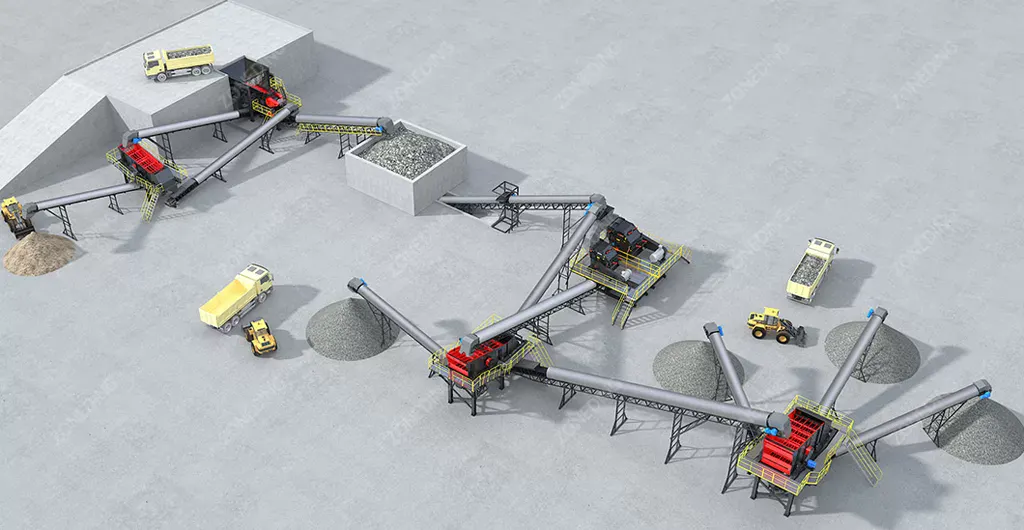
NEO MAKİNA ve MÜHENDİSLİK A.Ş. builds turnkey mineral crushing and screening plants for metallic-ore and industrial-mineral sites. From run-of-mine reception to a size ready for beneficiation or grinding, primary and secondary crushing, multi-deck screening, washing-dewatering and stockpiling modules are engineered at 50–1,500 t/h according to ore hardness, abrasiveness and moisture. Applied to chromite, iron, copper, magnesite, boron, feldspar, quartz, calcite and marble waste.
How a Mineral Plant Differs
Unlike aggregate plants, the goal in mining is not a product of a given size but preparing the ore for the next process (grinding, flotation, magnetic separation, washing, calcination) at lowest cost and minimum fines generation. Design is therefore driven by work index (Bond Wi), abrasion index (Ai), clay and moisture content, liberation size and ore variability.
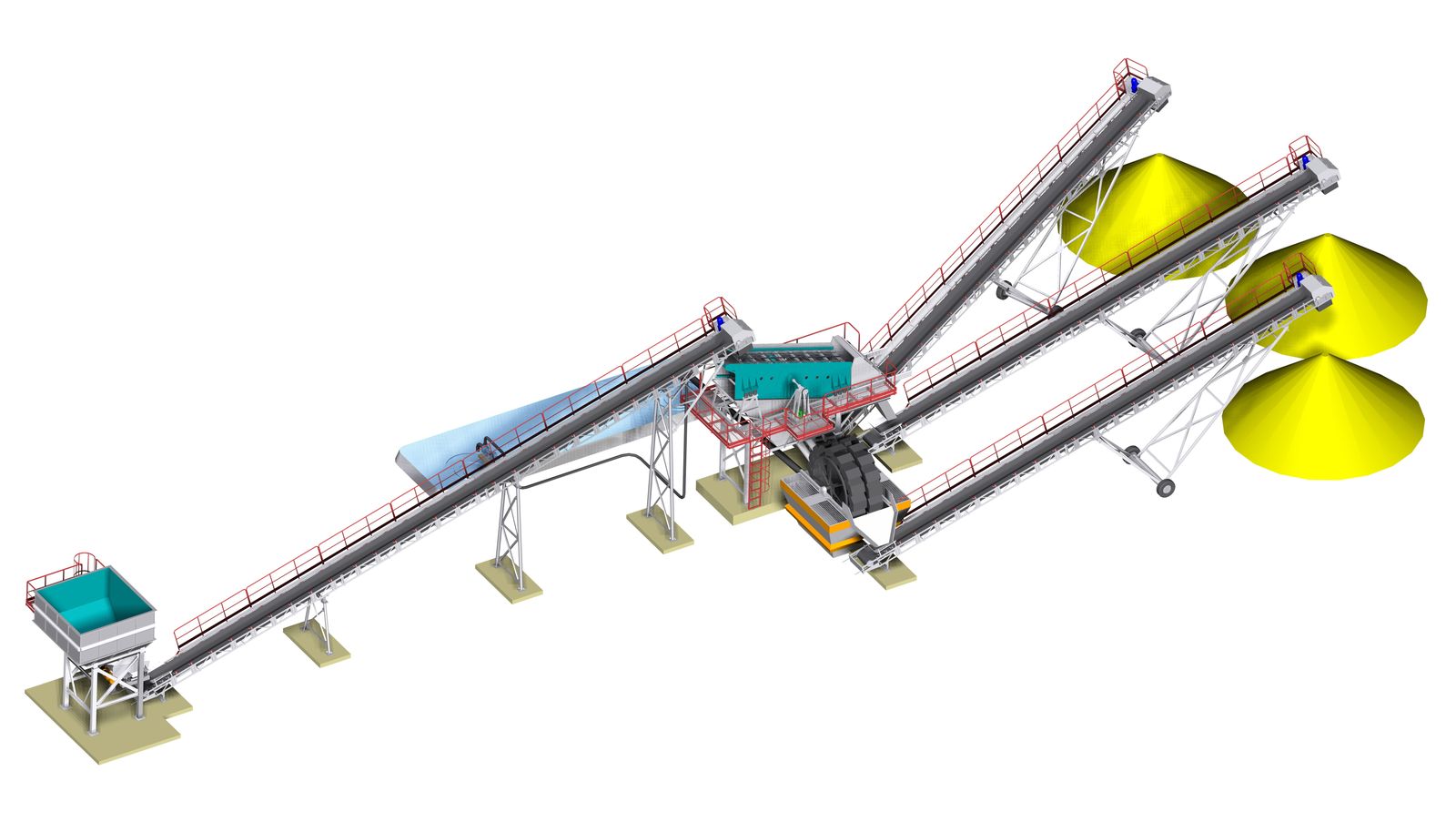
Process Modules
1. Feeding and Primary Crushing
- Truck dump hopper (50–200 m³), grizzly vibrating feeder or heavy-duty apron feeder; rock breaker for blockage clearing.
- Primary jaw crusher (feed up to 1,200 mm) or gyratory crusher; manganese liners for hard, abrasive ore; scalping bypass for clayey ore.
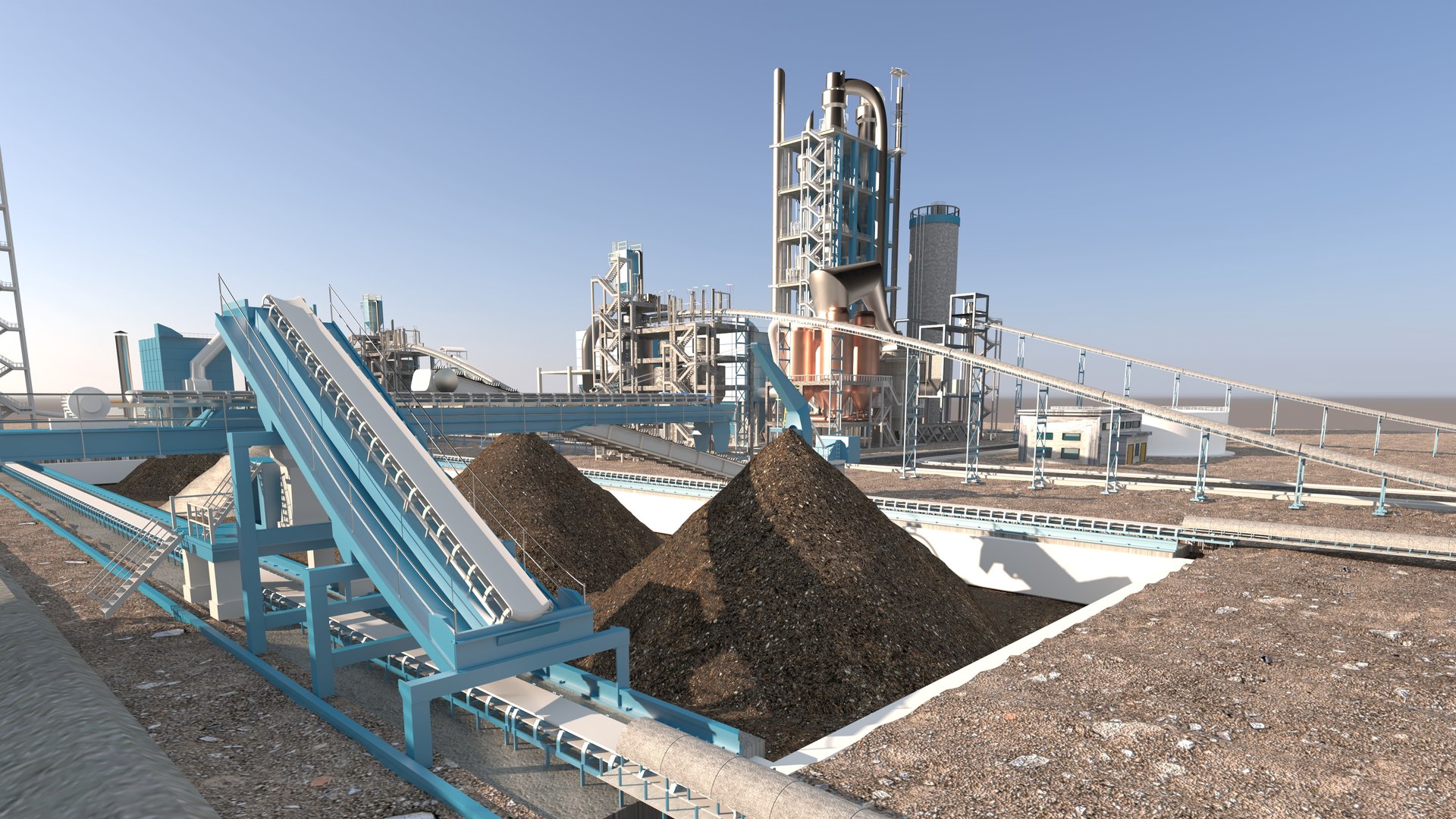
2. Surge Stockpile and Blending
- Conical or longitudinal stockpile, tunnel reclaim feeders; blending of different grades and independent operation of crushing and grinding circuits.
3. Secondary and Tertiary Crushing
- Cone crushers (standard and short head) for hard ore; impact crushers for soft-medium minerals; HPGR rolls for fine crushing and grinding-energy savings.
- Product size controlled by closed-circuit screening (e.g. 0–12 mm ball-mill feed, 0–30 mm washing-plant feed).
4. Screening and Classification
- Multi-deck inclined, horizontal and banana screens; wet screening and high-frequency screens for clayey, moist ore; polyurethane and rubber decks.
- Trommel screens for coarse classification; hydrocyclones and spiral classifiers for fines.
5. Washing and Dewatering
- Log washers and attrition scrubbers for clay removal; dewatering screens, spiral sand washers; thickener and filter press for water recovery and closed-loop water management.
6. Stockpiling and Dispatch
- Radial stackers, fixed conveyors, bin-to-truck and rail loading, belt scales and samplers (grade tracking).
Plant Configurations
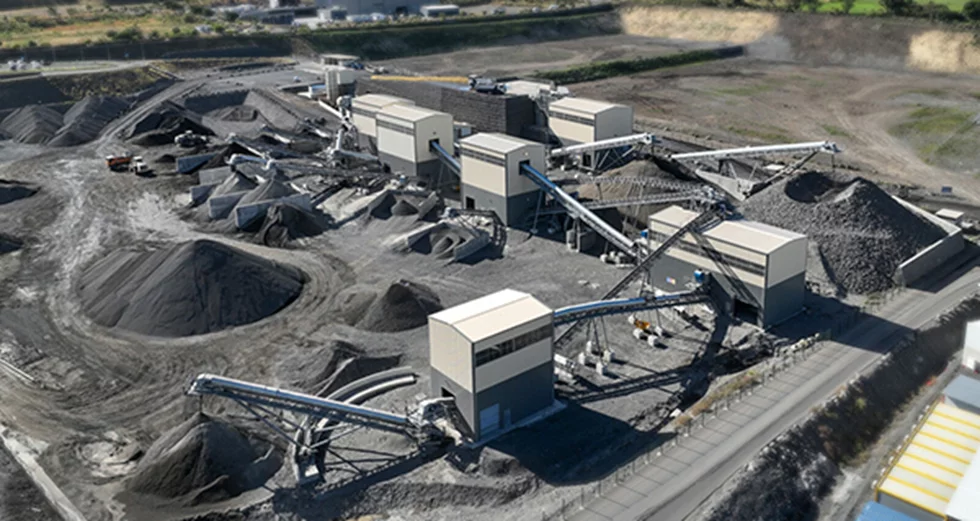
- Fixed modular plants: Steel-structure modules for long-life mine sites; pre-engineered bolted assembly with platforms, stairs and handrails; 200 – 1,500 t/h.
- Semi-mobile plants: Skid-mounted relocatable primary units for in-pit crushing; lower haulage cost.
- Mobile plants: Tracked jaw/cone/screen units; 50 – 300 t/h for exploration-development stages and small sites.
- Integrated preparation plants: Grinding, magnetic separation, flotation or calcination units engineered together with crushing-screening.
Engineering Basis
- Ore characterisation: Compressive strength, Bond work index, abrasion index, moisture, clay content, density and particle-size distribution; sample tests to verify reduction ratio and capacity.
- Circuit simulation: Mass balance, circulating load, screen efficiency and product curve; load factor and redundancy of each unit.
- Wear and maintenance: Manganese, chrome and ceramic liners; replaceable chute and hopper liners; crane and maintenance access planning.
- Dust, noise and water: Dust collection or fogging at transfer points, enclosed conveyor galleries; water recovery and tailings management.
- Automation: Sequenced start-up, crusher power and gap control, hopper level and belt-scale integration, SCADA and production reporting.
- Standards: CE Machinery Directive, EN 1009 (mineral processing machinery safety), national mining health and safety regulations
Typical Application Range
- Capacity: 50 – 1,500 t/h
- Ores and minerals: chromite, iron, copper, lead-zinc, magnesite, boron, feldspar, quartz, calcite, dolomite, barite, perlite, pumice, marble waste
- Feed size: up to 1,200 mm; product: 0–5 mm to 0–100 mm
- Reference study: 950,000 t/year marble-waste utilisation feasibility in the Silifke region
Why NEO MAKİNA?
The plant is delivered from a single source: circuit design from site and ore data, equipment selection, steel structure, electrical-automation, erection and commissioning. We work brand-independently on crusher and screen supply and plan wear-part and service continuity. For aggregate production see Crushing and Screening Plants; for crusher types see Industrial Crusher Systems.
Frequently Asked Questions
How is blockage prevented with clayey, moist ore?
Fine clay is bypassed by scalping, apron feeders and wide-angle chutes are used, clay is removed by wet screening or log washers; pre-drying is added where necessary.
When is HPGR preferred?
For tertiary crushing and pre-grinding of hard ore, HPGR cuts ball-mill energy by 15–30% and improves liberation through micro-cracks; it is economical at high tonnage.
What is the project duration?
For a 300 t/h fixed mineral crushing-screening plant, engineering and manufacturing take 4–6 months, erection and commissioning 3–4 months; interim production can start earlier with mobile units.
For circuit design and a quotation based on your ore sample and capacity target, contact us.