
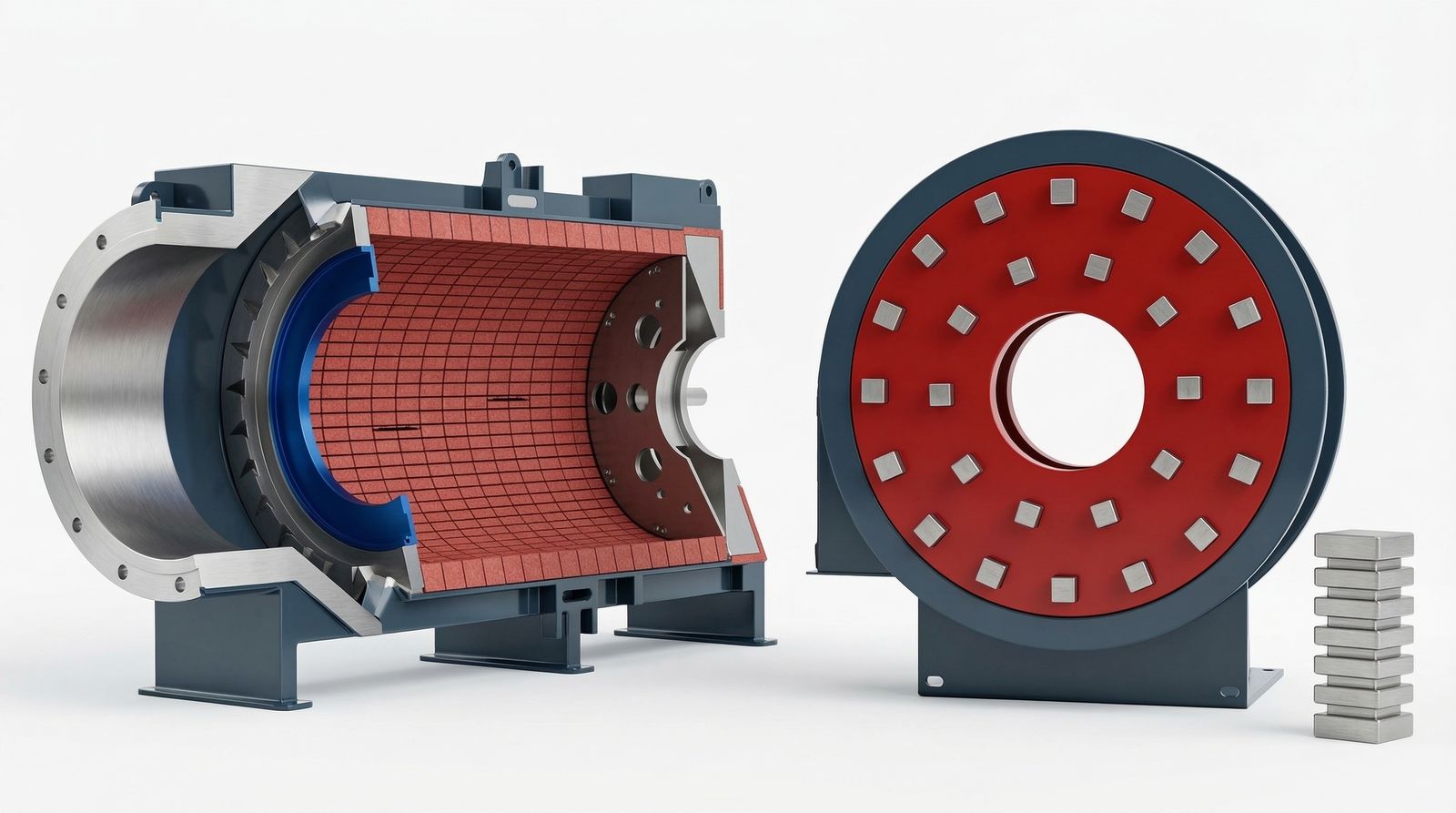
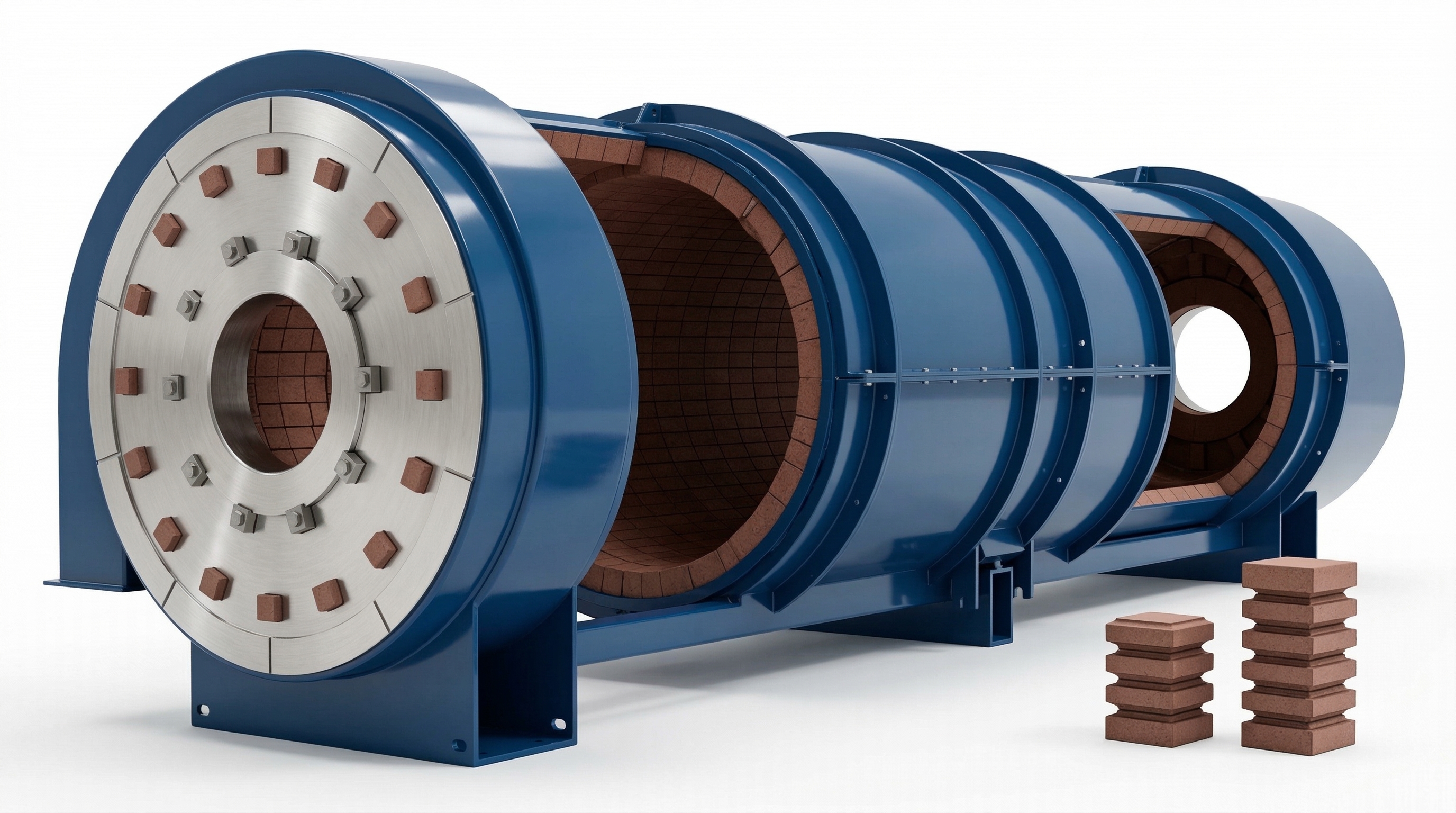
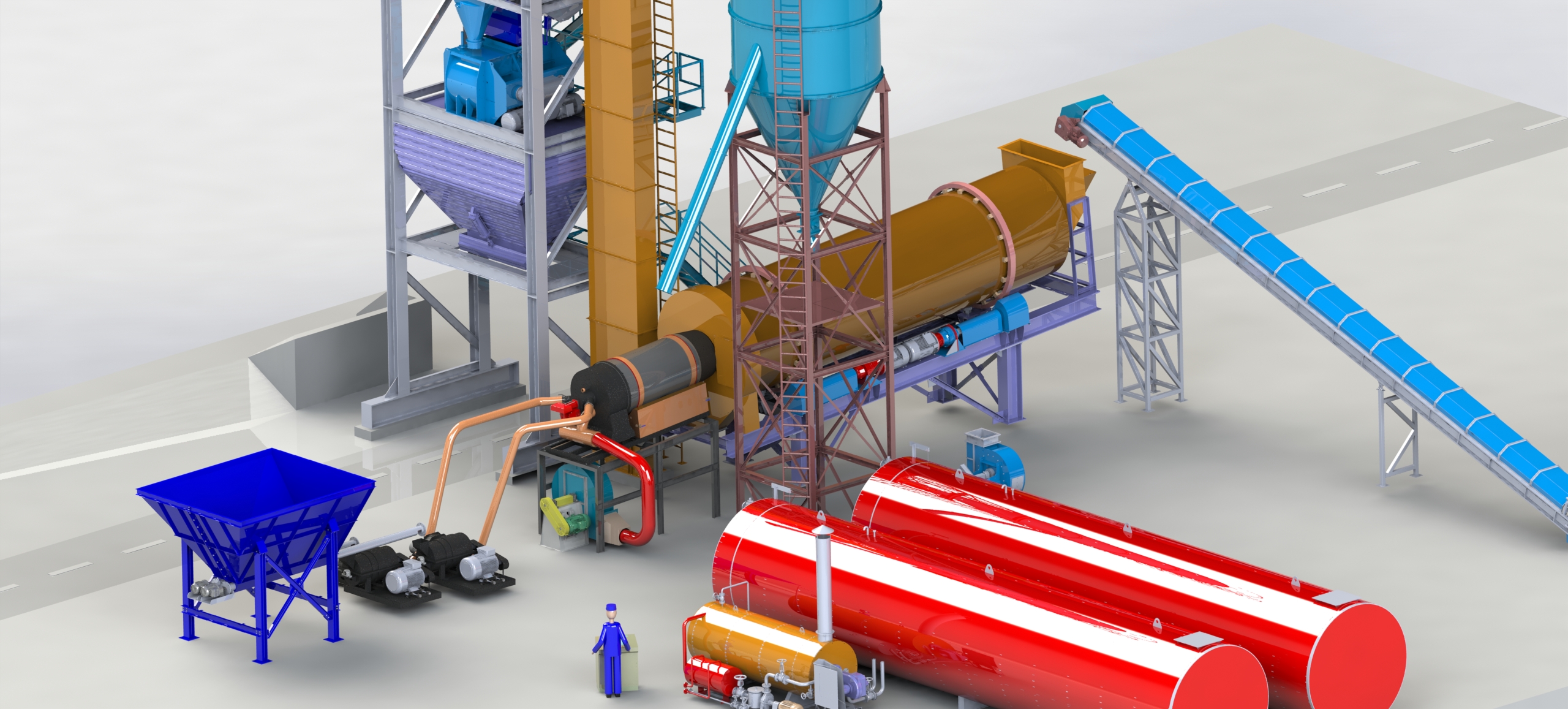
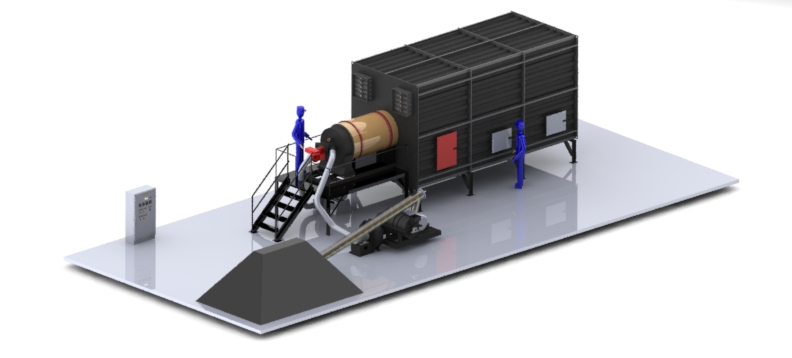
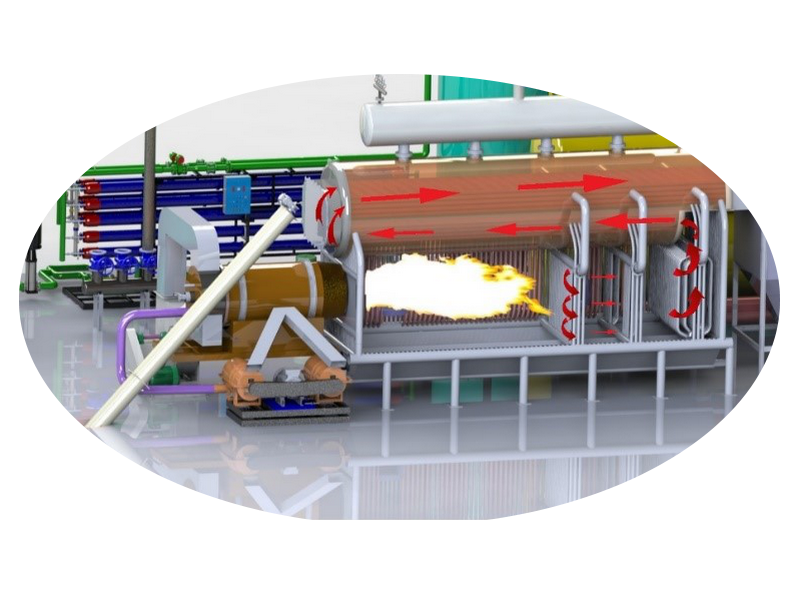
The ML34 MULTIBURN™ pulverised fuel combustion system, developed by NEO MAKİNA ve MÜHENDİSLİK A.Ş., grinds and dries coal and biomass and burns them as fine powder. It can be retrofitted to existing boilers and furnaces, delivering higher combustion efficiency, fast load response and wide fuel flexibility compared with grate-fired systems.
What Is Pulverised Fuel Combustion?
Solid fuel is milled to 75–100 microns, carried by primary air and injected into the furnace through the burner. Because the surface area increases many times over, the fuel burns completely at a rate close to gaseous fuel and unburned-carbon loss is minimised.
System Stages
1. Fuel Preparation: Milling and Drying
- Mill: High-torque hammer or ball mill grinds coal and biomass to around 75 microns.
- Integrated drying: Fuel moisture is reduced with flue gas or hot air before combustion, raising flame temperature and efficiency.
- Powder bunker and dosing: Prepared powder is stored in an explosion-protected bunker and dosed precisely by screw or rotary valve.
2. Burner and Furnace
- Pneumatic feed: Powdered fuel mixed with primary air is injected through purpose-designed nozzles.
- Secondary air and turbulence: Staged air maintains flame stability and supplies stoichiometric oxygen; low-NOx combustion.
- Ignition and flame supervision: Automatic ignition, UV flame detector and safety interlock chain.
3. Heat Recovery
Economiser and air preheater lower flue-gas temperature; overall thermal efficiency exceeds 90%.
4. Emission Control
- Particulates: Bag filter or electrostatic precipitator (ESP) with over 99% dust capture.
- SO₂ and NOx: Lime dosing, scrubber or SNCR/SCR where required to meet legal limits.
Operating Advantages
- Fuel savings: Complete combustion and low excess air give 15–20% lower fuel consumption than grate systems.
- Fuel flexibility: Lignite, hard coal, anthracite, petcoke, wood dust, pellets, agricultural residues and industrial dust can be fired in the same system.
- Fast load response: Low thermal inertia; much faster modulation than grate systems under sudden steam-demand changes and short start-up time.
- Automation: PLC control continuously optimises air-fuel ratio and flame stability; predictive-maintenance data and remote monitoring.
- Safety: Fully automatic feeding and ash removal; dust-explosion protection (ATEX-compliant design).
Typical Application Range
- Thermal capacity: 2 – 50 MW per burner; higher with multiple burners
- Fuel fineness: 75 – 100 microns (70–80% passing)
- Applications: steam boilers, thermal oil heaters, rotary kilns, dryers, asphalt plants, lime and cement kilns
- Retrofit: conversion of existing gas/fuel-oil boilers to solid fuel
- Design codes: ASME, EN 12952/12953, CE, ATEX
The NEO MAKİNA Difference
The ML34 MULTIBURN™ system is engineered from fuel analysis, boiler geometry and load profile to size the burner, select the mill and set the air distribution. Mill, burner, bunker, filter and automation are delivered from a single source; commissioning and operator training are included.
Frequently Asked Questions
Can my existing natural-gas boiler be converted to pulverised coal?
Yes. If furnace volume and heat load are suitable, conversion is done by replacing the burner and adding the mill-bunker group and filter; a feasibility study is provided at proposal stage.
Can biomass and coal be co-fired?
Yes. The co-firing ratio is set according to fuel properties; the automation adjusts the blend to load and emission targets.
How is dust-explosion risk managed?
Explosion vents, inert-gas suppression, CO and temperature monitoring on the bunker and mill line provide ATEX-based protection.
To size the ML34 MULTIBURN™ for your plant and request a quotation, contact us.