

NEO MAKİNA ve MÜHENDİSLİK A.Ş. builds turnkey tank farms and refinery facilities for fuel and LPG terminals, petrochemical and refinery sites, vegetable-oil and chemical storage complexes. Beyond the storage tanks, site layout, bunding, process piping and pump stations, loading-unloading gantries, fire protection, heating, electrical-instrumentation and terminal automation are engineered and commissioned under a single EPC contract. Our references include a 10 t/h heavy-fuel dewaxing plant and a 33,000 m³ crude oil tank in Kirkuk.
What Is a Tank Farm?
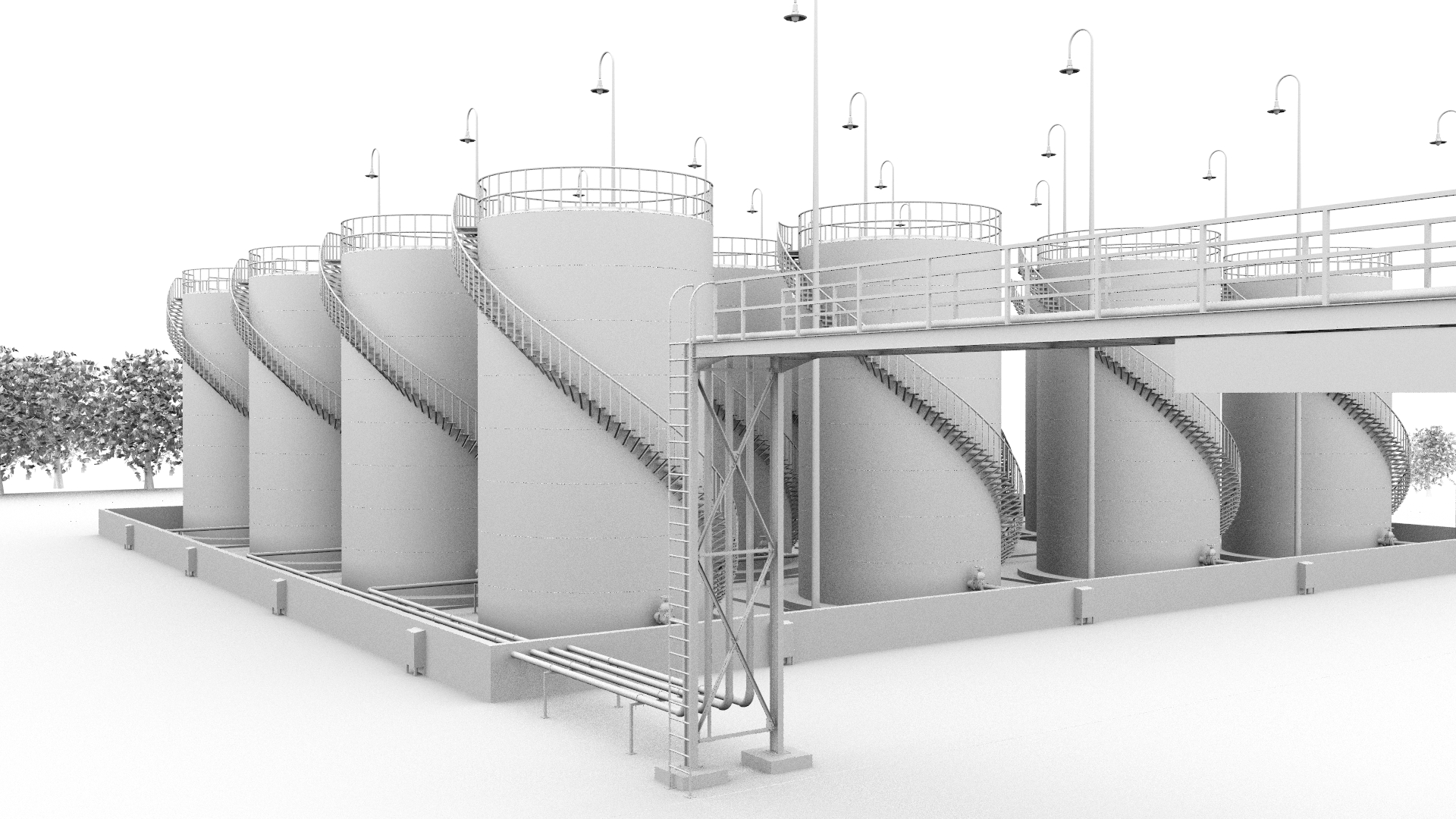
A tank farm is an integrated facility where several storage tanks on one site operate together with the pipelines, pumps, metering and safety systems that connect them to each other and to receipt and dispatch points. On refinery, terminal and port sites it performs product receipt, storage, blending and dispatch; safety (fire, overfill, leakage) and inventory management are at the centre of the design.
Facility Components
Storage Tanks
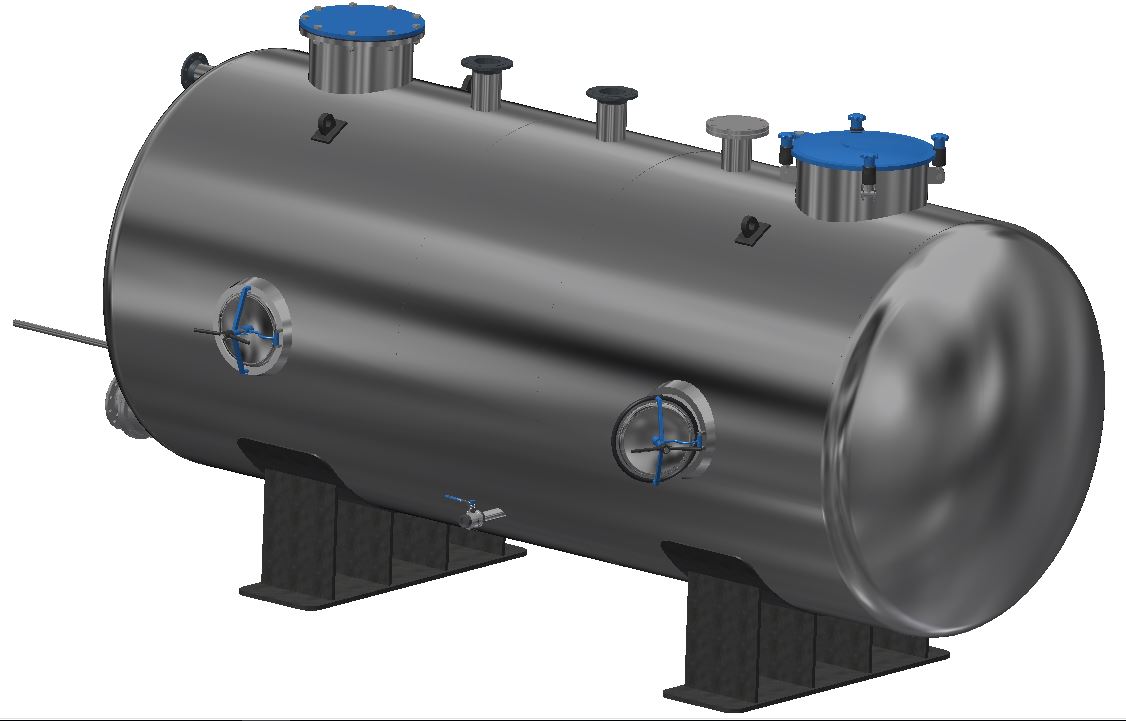
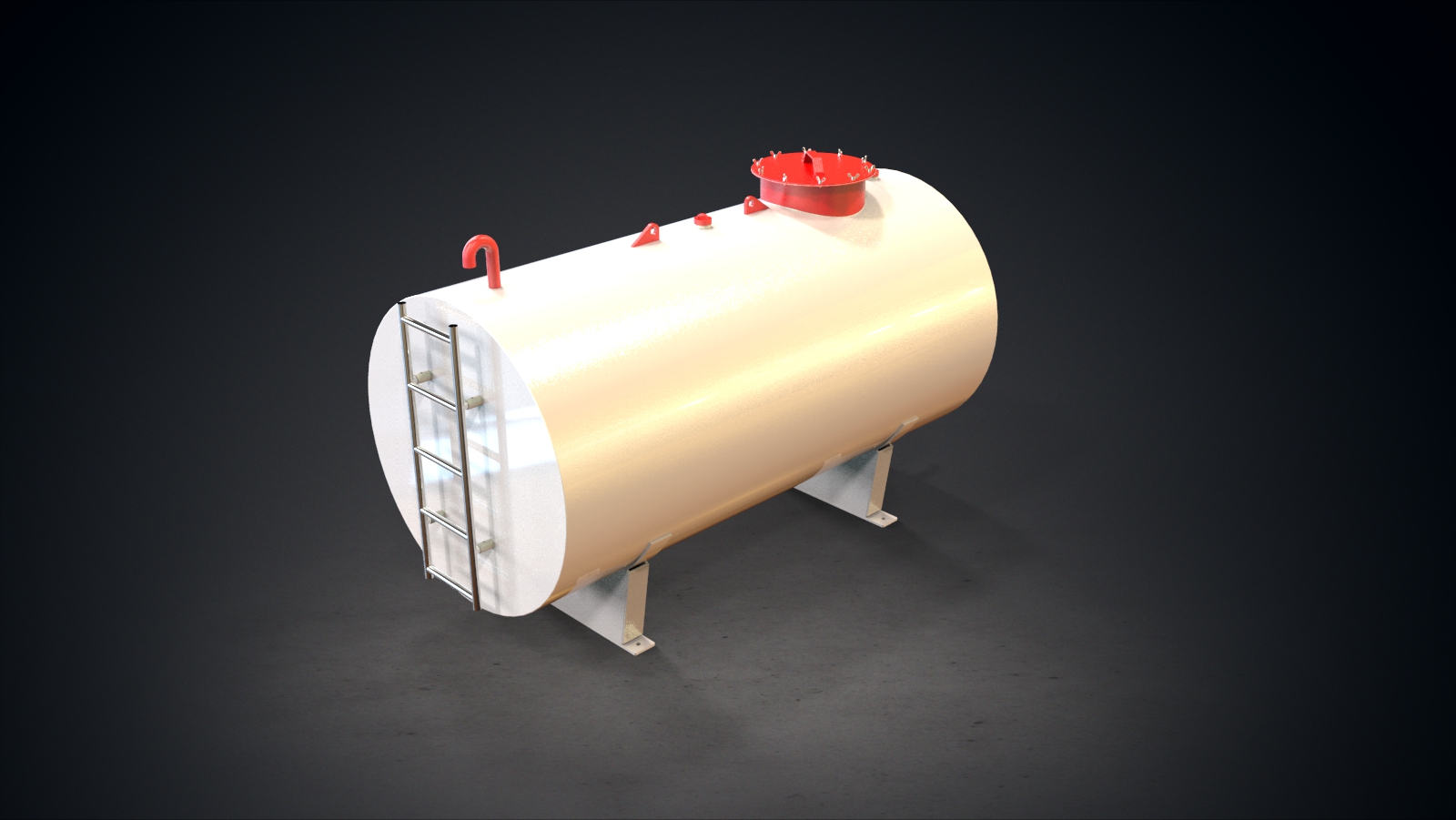
- API 650 fixed- and floating-roof tanks (100 – 50,000 m³), API 620 low-pressure tanks, LPG spheres and horizontal pressure vessels (ASME VIII), stainless chemical tanks.
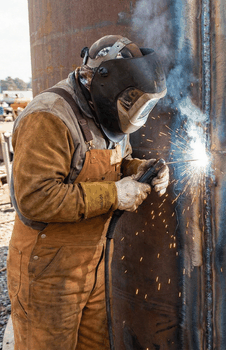
- For tank fabrication and erection details see API 650 Storage Tanks.
Site Layout and Civil Works
- Tank-to-tank and boundary safety distances (NFPA 30, national fire regulations), bund walls and impermeable floors (110% capacity rule), stormwater and oily-water separators.
- Tank ring foundations, pipe-rack foundations, roads, drainage and area lighting.
Process Piping and Pump Stations
- ASME B31.3 / B31.4 pipelines; stress analysis, expansion compensation, insulation and heat tracing (steam/electrical).
- API 610 centrifugal and positive-displacement pumps selected for product viscosity and transfer distance; manifolds and valve stations.
- Blending lines, inline mixers, additive dosing systems; lubricant and biodiesel blending plants.
Loading-Unloading Gantries
- Road-tanker and rail-car loading bays: bottom/top loading arms, mass-flow custody-transfer metering, earthing-overfill protection, vapour recovery unit (VRU).
- Marine loading arms and jetty pipelines; ship-shore transfer systems.
Fire Protection
- Foam systems (NFPA 11): foam chambers on fixed-roof tanks, rim-seal suppression on floating-roof tanks; bund foam monitors.
- Cooling spray rings (NFPA 15), hydrant network, electric-diesel fire pump station (NFPA 20), fire-water storage; gas and flame detectors.
Heating and Temperature Maintenance
- Tank-bottom heating coils, suction heaters, thermal oil or steam boiler house for fuel oil, bitumen, crude and some vegetable oils; tank and pipe insulation.
Electrical, Instrumentation and Terminal Automation
- Radar level gauges and automatic tank gauging (ATG), API 2350 overfill protection (SIL 2 safety loops), temperature and density measurement.
- Terminal automation system (TAS): card-controlled loading authorisation, batch control, delivery-note and ERP integration; SCADA/DCS control room.
- ATEX/IECEx area classification and Ex-proof equipment; earthing, cathodic protection and lightning protection.
Refinery and Process Units
- Small-scale process units: crude pre-treatment and dewaxing, oil recovery and refining, biodiesel and lubricant blending, wastewater pre-treatment (API separator, DAF).
Typical Application Range
- Total storage: 1,000 – 500,000 m³; 2 – 50 tanks
- Products: crude oil, gasoline, diesel, jet fuel, fuel oil, bitumen, LPG, ethanol, biodiesel, vegetable oil, molasses, chemicals
- Scope: feasibility and FEED, detail engineering, procurement, civil works, mechanical and electrical erection, testing, commissioning, operator training
- Standards: API 650/620/2000/2350/653, ASME B31.3/B31.4, ASME VIII, NFPA 11/15/20/30, IEC 60079 (ATEX), EN 14015
Why NEO MAKİNA?
- Single responsibility (EPC): Tanks, piping, fire protection, electrical-automation and civil works under one contract and one project management.
- Site experience: Tank and plant erection under demanding logistics and climate in Iraq, Syria, Central Asia and Africa.
- Utility integration: Boilers, thermal oil, steam and energy-recovery systems integrated from our own manufacturing.
- Life-cycle support: API 653 tank inspections, periodic maintenance, capacity expansion and modernisation.
Frequently Asked Questions
How much land does a tank farm need?
Because of fire-safety distances and bunding rules, tank diameter and product class matter as much as volume; a 20,000 m³ fuel terminal with 4 tanks typically needs 20,000–30,000 m² including utilities.
What is the project duration?
Excluding feasibility and permitting, engineering, procurement and construction take 12–20 months for a 20,000–50,000 m³ terminal. Phased commissioning brings the first tanks into service earlier.
Can you modernise my existing terminal?
Yes. Tank inspections (API 653), floating-roof and VRU additions, overfill protection (API 2350), fire-system upgrades and terminal automation are carried out in planned stages while operations continue.
For tank-farm preliminary design and a quotation based on your storage capacity and product portfolio, contact us.